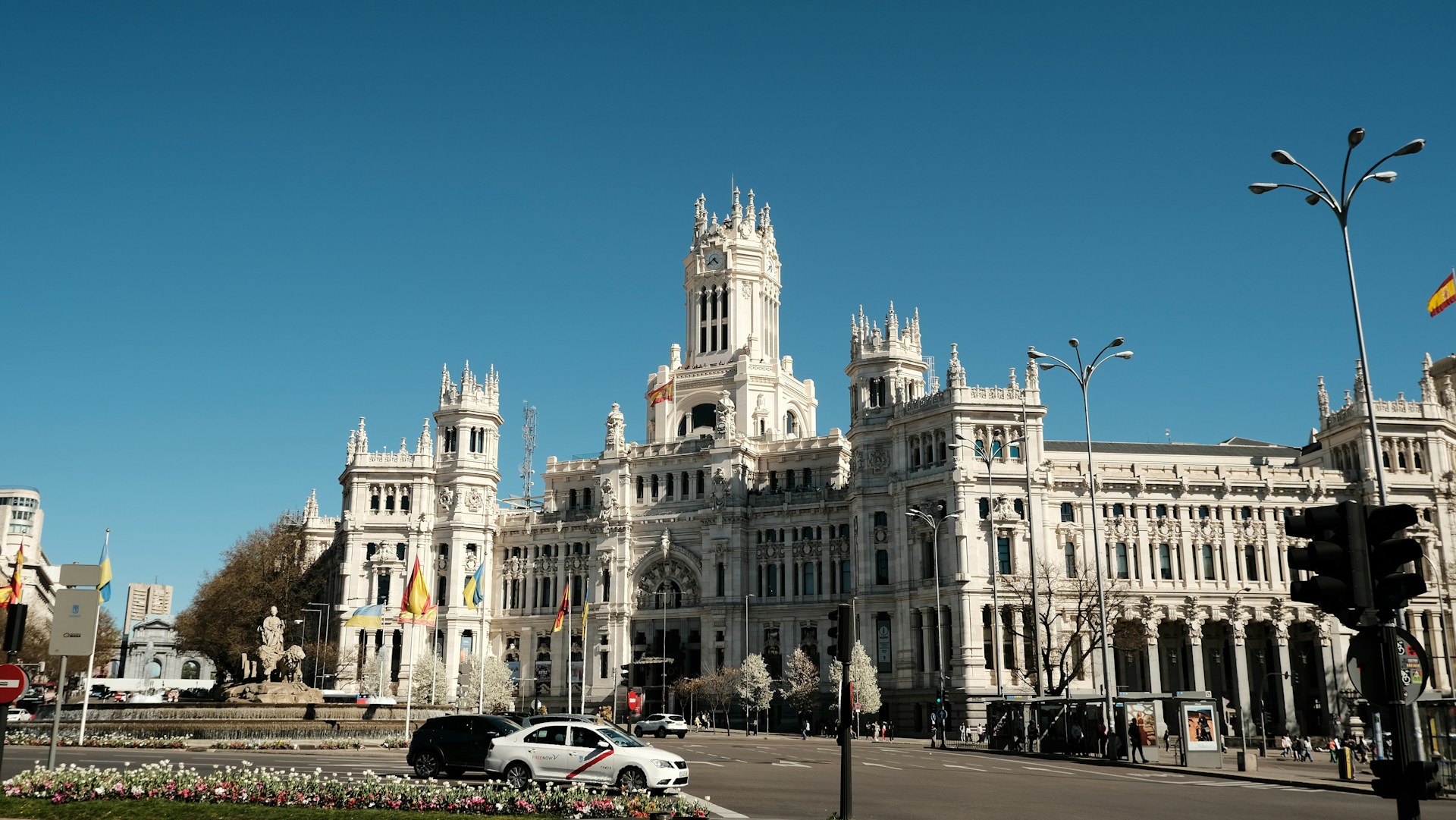
Community of Madrid
Madrid, Spain
Spain's late-night capital — where world-class art, unbeatable tapas, and the country's best nightlife collide.
Top Highlights
The Prado Museum
One of the world's finest art collections, with works by Velázquez, Goya, and El Greco. It's enormous — pick a wing and go deep rather than trying to see everything in one visit.
Retiro Park
Madrid's green lung — 125 hectares of fountains, gardens, and the famous Crystal Palace. Rent a rowboat on the lake or just sit under the trees with a bocadillo. Perfect for a midday break.
Mercado de San Miguel
A beautifully restored iron market near Plaza Mayor. Yes, it's touristy and prices reflect that. But the quality of the tapas and wine is genuinely good, especially as a first-night introduction to Spanish food.
Plaza Mayor & Puerta del Sol
Madrid's two iconic squares are worth crossing through but not lingering in — the real action is on the side streets radiating outward, where locals eat and drink at half the price.
Reina Sofía Museum
Home to Picasso's Guernica, one of the most powerful paintings in existence. Free entry on certain evenings — check the schedule. The contemporary collection is underrated.
Why Madrid
Madrid doesn’t try to charm you on first impression the way Barcelona or Seville do. It’s a city that reveals itself gradually — through a late-night tapas crawl in La Latina, a Sunday afternoon stroll through Retiro, or the sudden silence of standing in front of Velázquez’s Las Meninas at the Prado. Spain’s capital is the cultural and political heart of the country, and it moves at its own pace: lunch at 2pm, dinner at 10pm, and a nightlife that genuinely doesn’t get going until midnight.
What makes Madrid essential for any Spain trip is its sheer cultural density. Within a one-kilometre stretch you have three of the world’s great art museums (the Prado, Reina Sofía, and Thyssen-Bornemisza). The food scene is extraordinary — from traditional tavernas serving cocido madrileño to some of the most innovative restaurants in Europe. And because Madrid is landlocked and relatively off the beach-holiday circuit, it feels more authentically Spanish than many coastal cities. This is where Spaniards from every region come to live, work, and eat.
When to Visit
Spring (March–May) and autumn (September–October) are ideal. Madrid in summer can be brutally hot — 40°C days are common in July and August, and much of the city empties out as locals flee to the coast. Winter is cold but sunny, with far fewer tourists. Christmas in Madrid is atmospheric, with lights on Gran Vía and markets in Plaza Mayor.
Getting There
Madrid-Barajas airport (MAD) is Spain’s biggest hub, with connections worldwide. The metro runs directly from the airport to the city centre in about 30 minutes. Madrid is also the centre of Spain’s AVE high-speed rail network — you can reach Barcelona, Seville, Valencia, and Málaga in under 3 hours. Atocha and Chamartín are the main stations.
Where to Base Yourself
Malasaña is the best all-round neighbourhood for visitors — walkable to everything, packed with independent restaurants and bars, and full of character without being touristy. La Latina is ideal if food is your priority (Sunday Rastro market + the best tapas streets in the city). Avoid Gran Vía for accommodation — it’s the equivalent of staying on Times Square.
Best Places to Visit in Madrid
Madrid’s attractions go far beyond the big three museums. Here’s what deserves your time.
The Prado Museum
The Prado is not a museum you can “do” in two hours. It holds over 8,000 paintings, including the most important works by Velázquez, Goya, El Greco, and Bosch. The key is to not try to see everything. Pick one or two rooms and go deep. Las Meninas by Velázquez is the star — spend time with it, watch how it changes as you move around the room.
Practical info: Free entry Mon–Sat 6–8pm and Sun 5–7pm. The queues for free entry are long but move fast. If paying, book online. Budget 2–3 hours minimum.
Retiro Park & Crystal Palace
Retiro is 125 hectares of green space in the centre of Madrid. The lake with rowboats is the classic activity, but the real treasures are quieter: the Cecilio Rodríguez Gardens (a hidden formal garden), the Rosaleda (rose garden, peak bloom in May), and the Crystal Palace, which hosts rotating contemporary art exhibitions and is free to enter.
Royal Palace & Almudena Cathedral
The Palacio Real is one of the largest royal palaces in Europe — 2,800 rooms, though only a portion is open to visitors. The state rooms are overwhelming in their decoration. The adjacent Almudena Cathedral is modern by European standards (consecrated in 1993) but worth a quick look. The best views of the palace are from the Sabatini Gardens or from the other side of the Manzanares river in Casa de Campo.
Malasaña & Chueca
These two adjacent neighbourhoods are the beating heart of modern Madrid. Malasaña is indie, creative, and slightly scruffy — vintage shops, craft beer bars, vinyl record stores, and some of the city’s best casual restaurants. Chueca is the historic LGBTQ+ neighbourhood, more polished, with upscale boutiques and excellent cocktail bars. Together they’re the best area for evening wandering and eating.
La Latina & El Rastro
La Latina is Madrid’s original tapas neighbourhood. Calle de la Cava Baja is the most famous tapas street in the city — every doorway is a different bar, most of them excellent. On Sunday mornings, the Rastro flea market fills the streets from La Latina down to Embajadores. It’s chaotic and crowded, but browsing the stalls followed by a vermouth in one of the surrounding bars is quintessential Madrid.
Templo de Debod
An ancient Egyptian temple, gifted to Spain in 1968, reassembled in a park overlooking the Royal Palace. It’s one of the best sunset spots in Madrid — locals gather on the surrounding grass to watch the sky change colour. Free to enter, though the interior is small.
Day Trips from Madrid
Madrid’s central location makes it the best hub for day trips in Spain:
- Toledo — 30 minutes by AVE. A medieval walled city with a cathedral, synagogue, mosque, and El Greco museum all within walking distance. The most popular day trip from Madrid for good reason.
- Segovia — 30 minutes by AVE. The Roman aqueduct is extraordinary — 2,000 years old and still standing without mortar. The Alcázar (said to have inspired Disney’s castle) and the cathedral round out a full day.
- Ávila — 1 hour by train. The best-preserved medieval walls in Spain, which you can walk along for the full circuit.
- Aranjuez — 45 minutes by cercanías train. A royal palace with spectacular gardens, especially beautiful in spring.
- El Escorial — 1 hour by bus. Philip II’s massive monastery-palace, austere and imposing, a monument to Habsburg Spain.
How Many Days in Madrid
Three full days covers the essentials: one day for the museums (Prado + Reina Sofía), one day for the palace and old centre, and one day for neighbourhood exploring and a day trip. Five days is better — it lets you add Toledo, take a second day trip, and settle into the rhythm of late lunches and later dinners.
Sample 3-day plan:
- Day 1: Prado Museum (morning), Retiro Park (afternoon), tapas in La Latina (evening)
- Day 2: Royal Palace (morning), Malasaña for lunch and wandering (afternoon), Templo de Debod at sunset, dinner in Chueca
- Day 3: Day trip to Toledo or Segovia, evening tapas crawl on Cava Baja
Madrid Budget Tips
Madrid is more affordable than Barcelona for almost everything — accommodation, food, and transport. The menú del día culture is strong here: most neighbourhood restaurants offer a three-course lunch with wine for €11–15, even in central areas.
Museum savings: the Prado and Reina Sofía both have free evening hours. The Thyssen-Bornemisza is free on Mondays. Many smaller museums are free year-round.
Transport: a 10-trip metro pass (Metrobús) is the best value for getting around. Madrid is also very walkable — most of the major sights are within a 30-minute walk of each other in the centre.
Looking for more? See how Madrid compares in our guide to the best cities in Spain to visit.
What to Do in Madrid
Explore More Cities
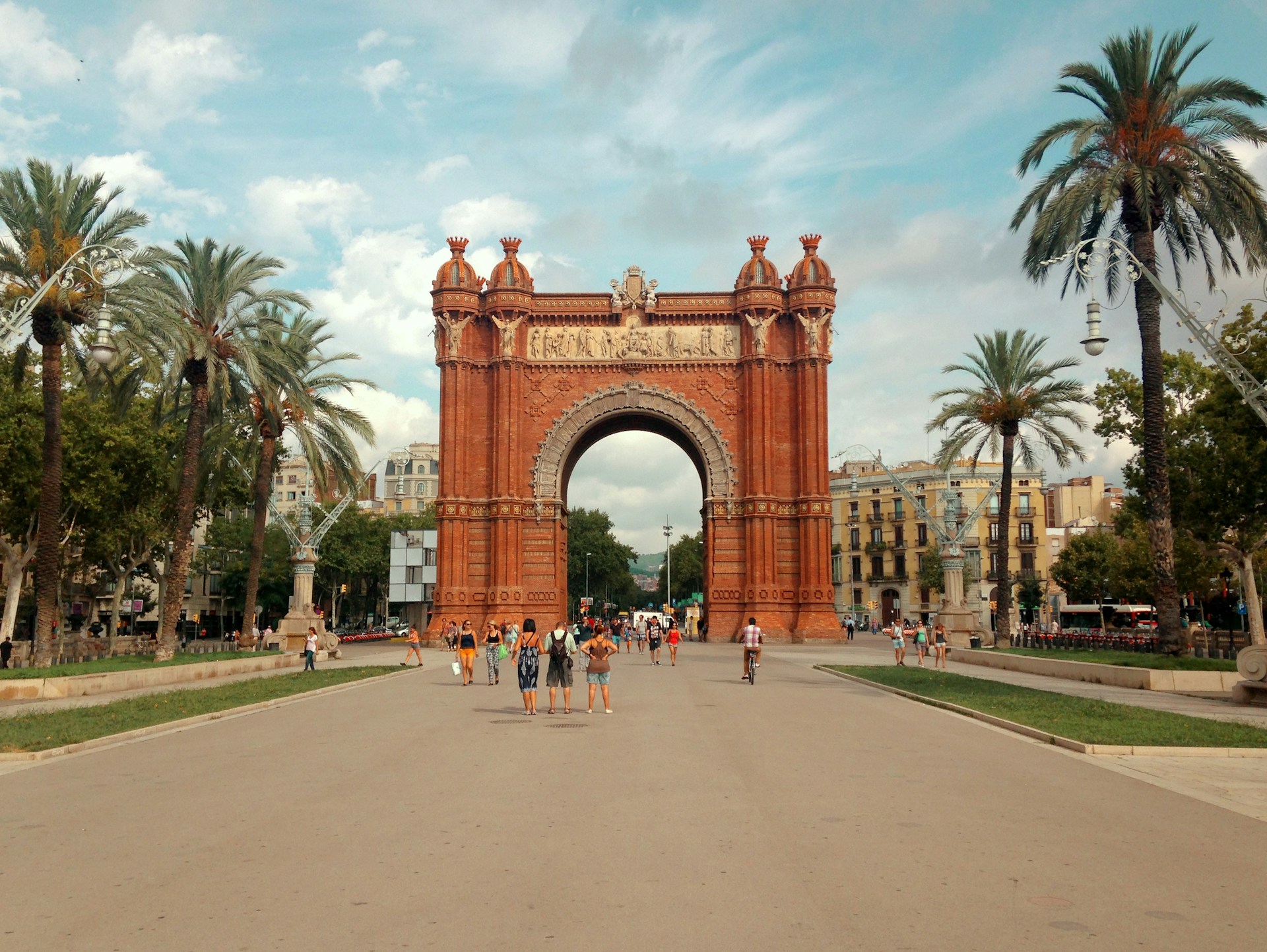
Barcelona
Catalonia
Where Gaudí's imagination meets Mediterranean beaches and one of Europe's best food scenes.
Explore →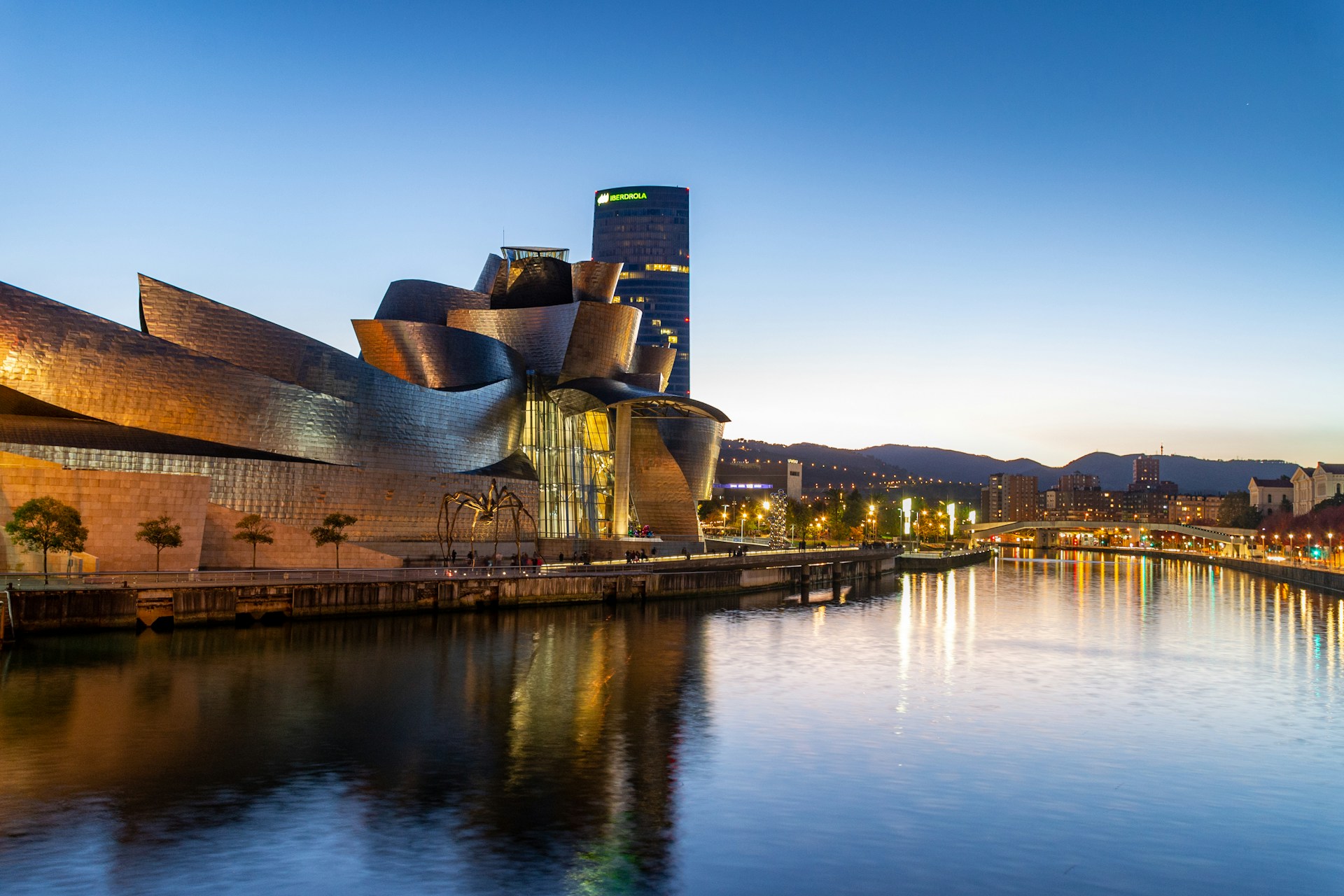
Bilbao
Basque Country
The Guggenheim transformed this industrial city into a cultural powerhouse — and the food scene might be even better.
Explore →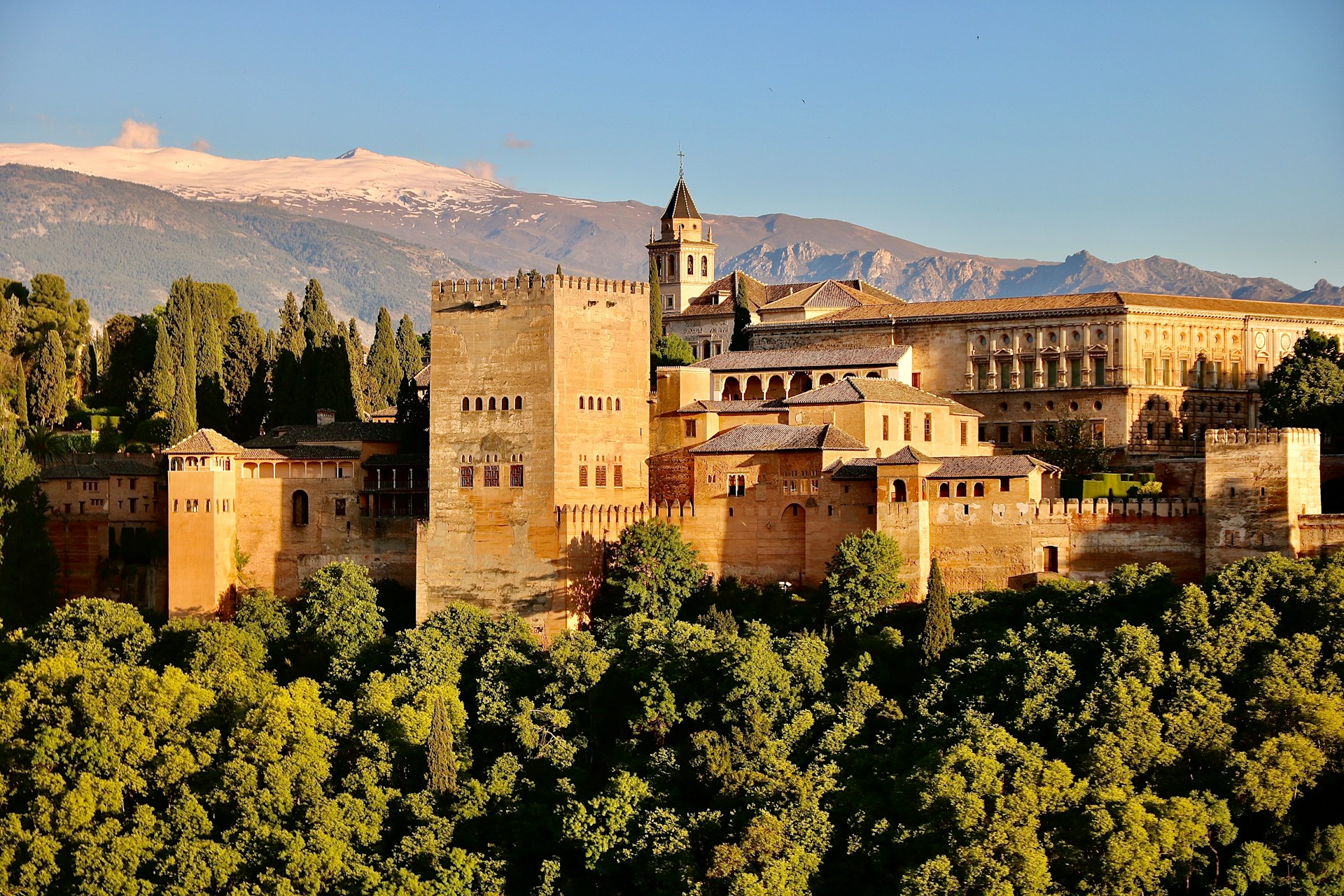
Granada
Andalusia
The Alhambra alone justifies the trip — but Granada's free tapas, Moorish quarter, and Sierra Nevada views seal the deal.
Explore →