Best Cities in Spain to Visit in 2026
Spain draws over 85 million visitors a year — more than almost any country on Earth. But most travelers stick to the same two or three cities, miss entire regions, and leave without experiencing what makes this country genuinely extraordinary.
This guide covers the 8 cities we think are worth your time in 2026. Not 20, not 30 — eight. Each one is here because it offers something you can’t get anywhere else in Spain. We’ve visited all of them, some of them many times, and we’ll be honest about what’s overrated and what’s not.
If you’re planning your first trip to Spain or coming back for a deeper look, this is where to start.
How We Chose These Cities
We didn’t rank by population or tourist numbers. Every city on this list earned its place by meeting three criteria: it has a distinct character you can’t replicate elsewhere in Spain, it’s practical to visit (good transport links, enough accommodation, walkable), and it rewards the kind of traveler who wants more than a photo op.
We deliberately left out resort towns, islands, and places that are famous mostly for beaches. This is a city guide — if you’re looking for Ibiza or Mallorca, you won’t find them here (though Palma may appear in a future update).
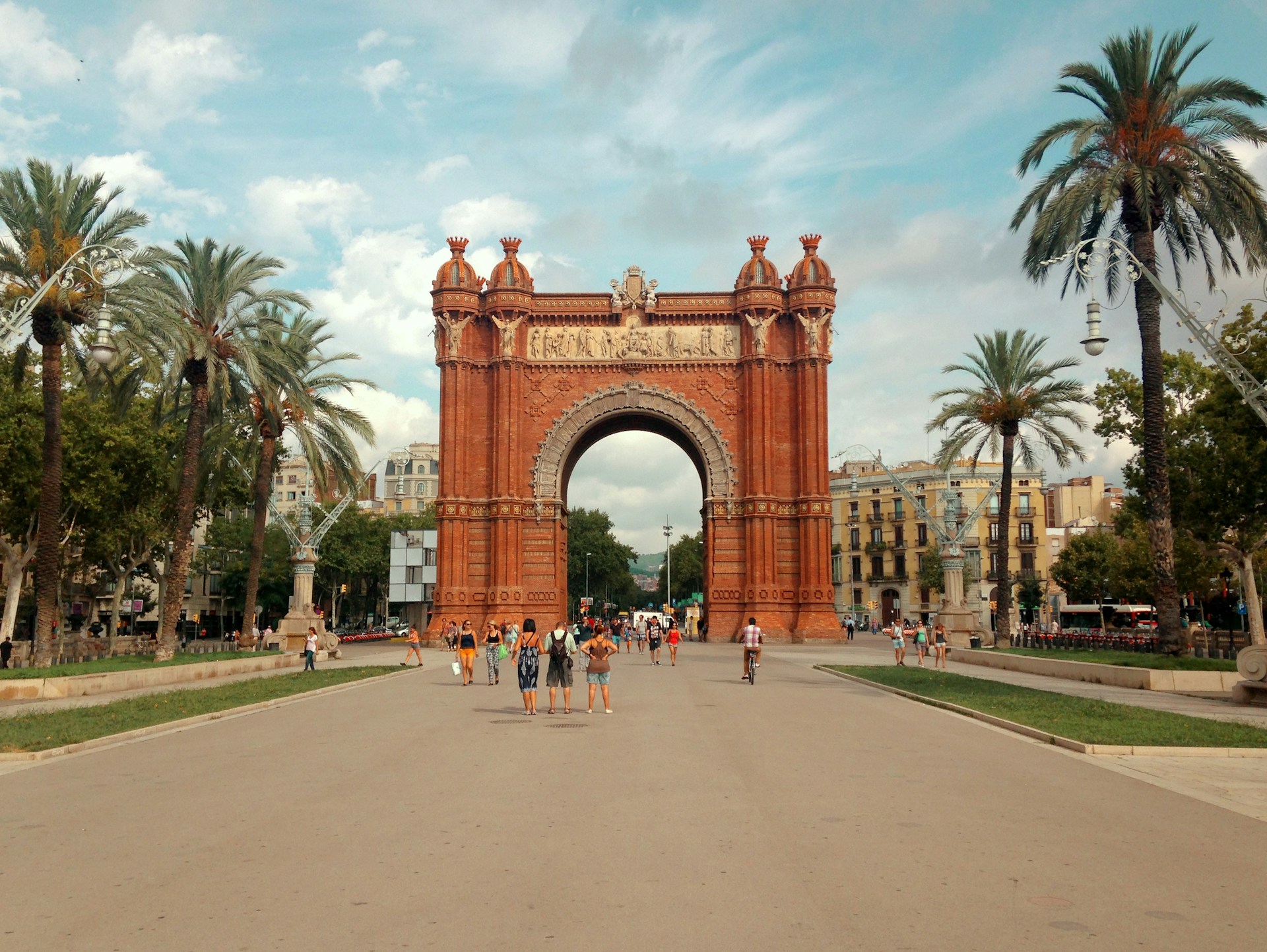
1. Barcelona — The One Everyone Visits (For Good Reason)
Barcelona tops most “best of Spain” lists, and for once the consensus is right. No other city in the country — maybe in Europe — combines world-class architecture, beaches, food, and street-level energy quite like this.
The pull is Gaudí, obviously. La Sagrada Família, Park Güell, Casa Batlló — his buildings are everywhere, and they genuinely live up to the photographs. But what makes Barcelona worth more than a weekend is everything around the headline attractions: the tapas bars hidden in the Gothic Quarter alleys, the vermouth culture in El Born, the Sunday morning markets in Gràcia, the way the entire city shifts outdoors at sunset.
Who should go: First-time Spain visitors, architecture lovers, people who want beaches and culture in the same trip.
Who should skip it: If you hate crowds or are on a tight budget, Barcelona can feel exhausting and expensive. Madrid or Valencia offer a similar range at lower intensity and cost.
Don’t miss: El Born neighbourhood for evening tapas. The Boqueria market, but walk past the tourist stalls near the entrance. Sunrise at Barceloneta beach before it fills up.
Best months: May, June, September, October. Avoid August — it’s hot, crowded, and half the locals have left.
Read our full Barcelona guide →
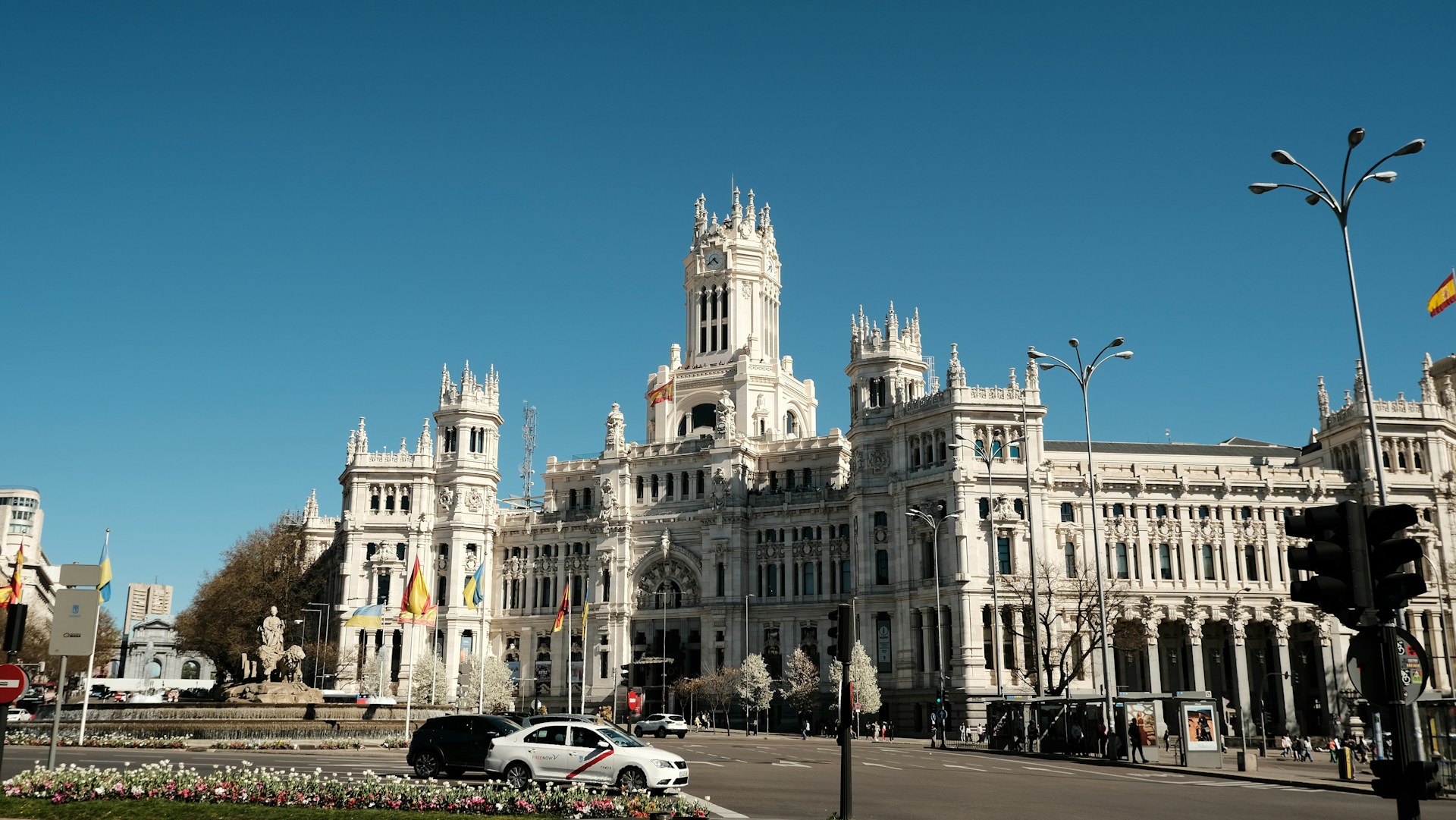
2. Madrid — Spain’s Underrated Capital
Madrid often plays second to Barcelona in travel guides, which is a mistake. This is the cultural heart of Spain — a city with three world-class art museums within walking distance, a tapas scene that runs deeper and cheaper than Barcelona’s, and a nightlife that genuinely doesn’t start until midnight.
The Prado alone would justify a trip. Add the Reina Sofía (home to Guernica), the Thyssen-Bornemisza, Retiro Park, and streets like La Latina on a Sunday morning, and you have a city that can fill a week without repeating itself.
What Madrid has that Barcelona doesn’t: it feels like a Spanish city first and a tourist destination second. The rhythms here — late dinners, long lunches, the afternoon lull — are authentic, not performed. And because it’s landlocked, you won’t find the cruise-ship energy that sometimes overwhelms Barcelona’s waterfront.
Who should go: Art lovers, food obsessives, anyone who wants to see how Spaniards actually live. Madrid is also the best hub for day trips — Toledo, Segovia, and Ávila are all under an hour away.
Who should skip it: If beaches are non-negotiable, Madrid is 3+ hours from the coast.
Don’t miss: La Latina on Sunday (Rastro flea market + post-market tapas crawl). The Prado’s free evening hours. Malasaña for dinner — the neighbourhood has more character per square metre than anywhere in the city.
Best months: March to May, September to November. Summer is brutally hot (40°C+), winter is cold but sunny and crowd-free.
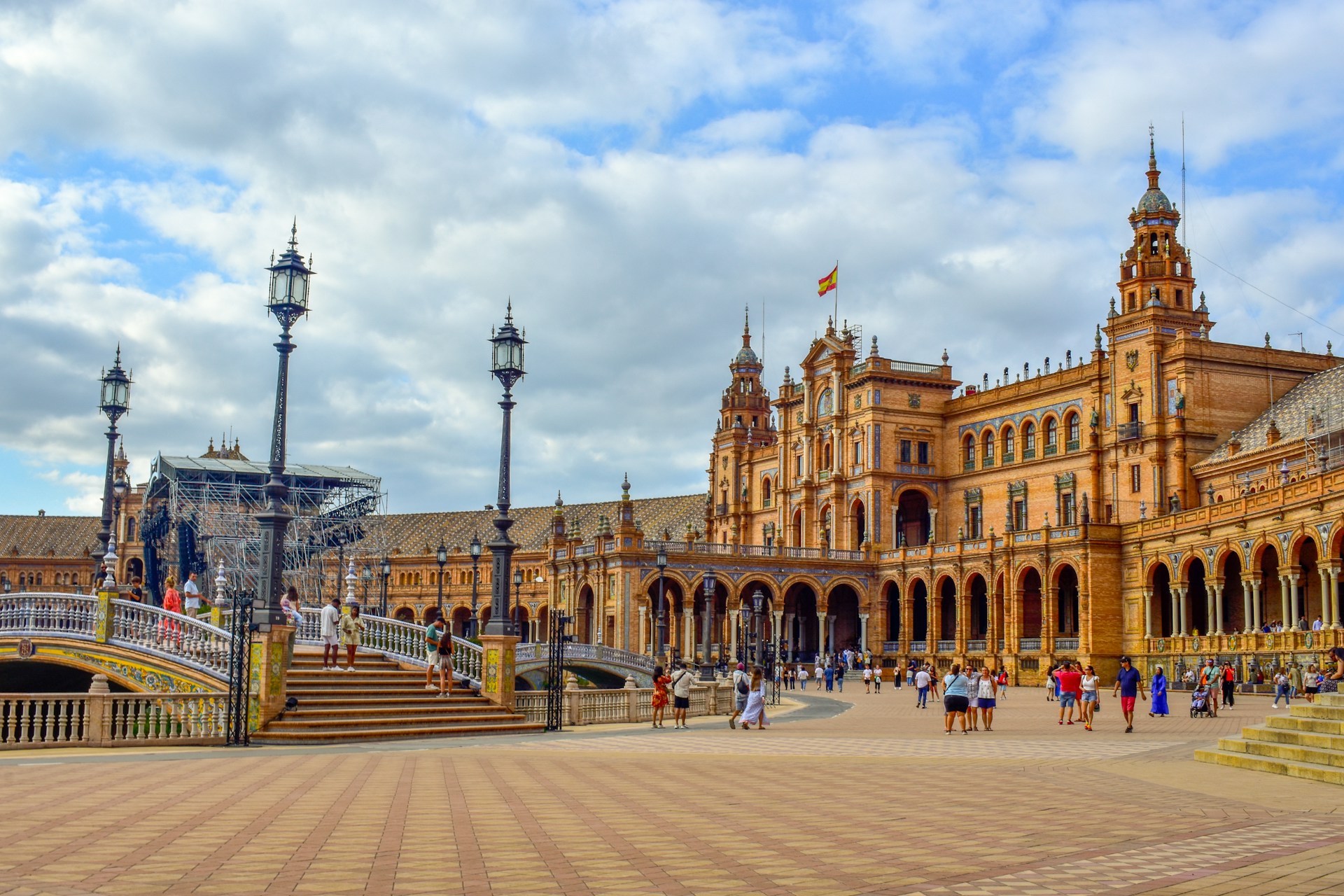
3. Seville — The Most Beautiful City in Spain
If you only visit one city in Andalusia, make it Seville. This is the most emotionally intense city in Spain — a place where the architecture, the music, the food, and the light all hit at once and don’t let up.
The Real Alcázar is arguably Spain’s most beautiful building (yes, including the Alhambra — the gardens alone are worth the argument). The cathedral is the world’s largest Gothic church. The flamenco in Triana isn’t a tourist show; it’s a living tradition that goes back generations. And the tapas culture here — bar-hopping from one tiny counter to the next, each with its own speciality — is the best in the country.
Seville also has a rhythm that forces you to slow down. Lunch runs until 4pm. Everything closes in the afternoon heat. The city comes alive again at 9pm and stays alive until late. If you try to rush Seville, you’ll miss the point entirely.
Who should go: Anyone who wants the quintessential Andalusian experience. Flamenco fans, history buffs, people who travel for food and atmosphere.
Who should skip it: Seville in July and August is genuinely dangerous heat — temperatures regularly exceed 40°C. If you’re visiting in high summer, choose a coastal city instead.
Don’t miss: Flamenco in Triana (find a small venue, not a tourist tablao). The Alcázar early morning before the tour groups arrive. Tapas around Alameda de Hércules with the locals.
Best months: March, April, October, November. Semana Santa and Feria de Abril are spectacular but packed — book months ahead.
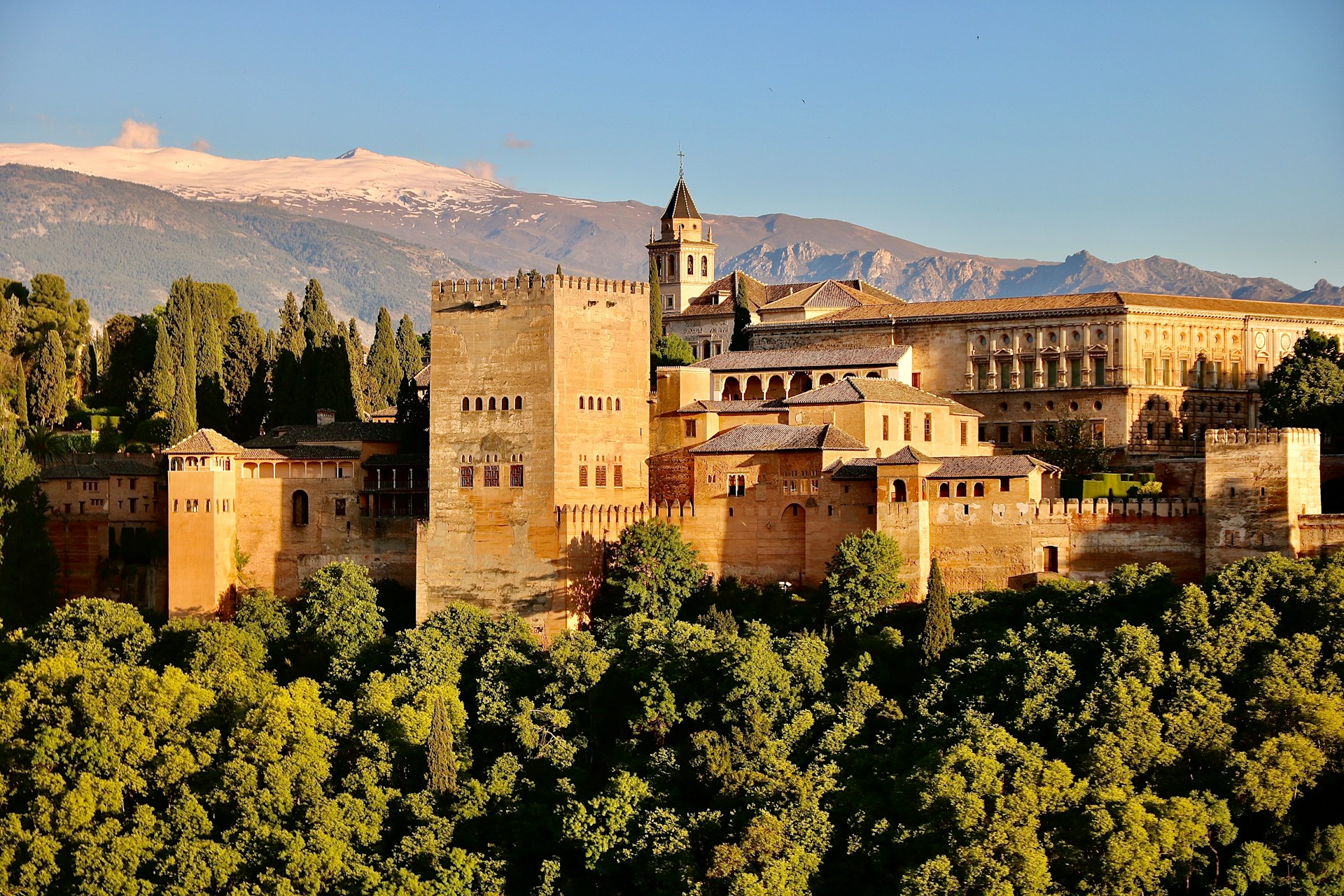
4. Granada — The Alhambra and Everything Around It
The Alhambra is the most visited monument in Spain, and it earns every visitor. But Granada is far more than one building — it’s a university town with North African energy, free tapas with every drink, and a setting against the Sierra Nevada that no other Spanish city can match.
The Albaicín — the old Moorish quarter of whitewashed houses climbing the hillside — is a UNESCO site on its own. The view from the Mirador de San Nicolás, looking across to the Alhambra with snow-capped mountains behind, is one of the great views in Europe. And the free tapas tradition means a night out in Granada costs a fraction of what you’d spend in Barcelona or Madrid.
Granada is also one of the most affordable cities on this list. Accommodation, food, and drink are all significantly cheaper than the big three (Barcelona, Madrid, Seville), which makes it excellent for longer stays.
Who should go: Budget travelers, history lovers, anyone interested in Spain’s Moorish heritage. Also great for hikers — the Sierra Nevada is 45 minutes away.
Who should skip it: If you need beach access, Granada is inland. If you can’t book Alhambra tickets in advance (2–3 weeks minimum), you’ll be frustrated.
Don’t miss: The Alhambra (book the Nasrid Palaces time slot — the rest is secondary). A tapas crawl down Calle Navas. Tea in the Moroccan tea houses of Calle Calderería Nueva.
Best months: April, May, September, October. Winter is cold but sunny and the Alhambra is far easier to get into.
5. Valencia — Spain’s Most Underrated City
If we had to recommend one Spanish city that most travelers overlook, it’s Valencia. Spain’s third-largest city has everything Barcelona offers — beaches, incredible food, beautiful old town, futuristic architecture — but without the crowds, the pickpocket warnings, or the inflated prices.
The City of Arts and Sciences is visually stunning (and photographs like nowhere else in Spain). The Turia Gardens — 9km of parkland built in a diverted riverbed — are one of Europe’s best urban green spaces. And this is where paella was invented. Not the tourist version with random seafood thrown in, but the real thing: chicken, rabbit, beans, saffron, cooked over an open flame and eaten at lunch, never dinner.
Valencia’s best quality might be its liveability. It consistently ranks among the top cities in Europe for quality of life, and you feel it immediately — it’s clean, walkable, bike-friendly, and the locals aren’t tired of tourists yet.
Who should go: Families (it’s safe, walkable, and has excellent beaches), food lovers, anyone who wants a Mediterranean city without the Barcelona price tag.
Who should skip it: There’s no single “must-see” monument the way there is in Granada or Seville. If you need a single jaw-dropping attraction, Valencia’s appeal is more cumulative.
Don’t miss: Paella in El Palmar, near the Albufera lagoon. The old town’s El Carmen quarter for street art and horchata. Las Fallas in March if you can time it — but book accommodation months ahead.
Best months: April to June, September to October. Summer is hot but the beaches make it manageable.
Read our full Valencia guide →
6. San Sebastián — Europe’s Best Food City
San Sebastián (Donostia in Basque) is the strongest argument that the best things in Spain are not all in the south. This small city on the Bay of Biscay has more Michelin stars per capita than almost anywhere on Earth — and you don’t need a reservation or a big budget to eat spectacularly well.
The pintxo bar crawl through the Parte Vieja (old town) is one of the world’s great food experiences. Each bar has its own specialities displayed on the counter. You order one or two, drink a glass of txakoli (local white wine), and move on to the next place. A dozen bars, a dozen different dishes, and the total bill is less than a single sit-down restaurant elsewhere.
Beyond food, La Concha beach is consistently rated one of Europe’s best urban beaches — a perfect crescent of golden sand framed by green hills. And the Basque culture gives San Sebastián a distinct identity: different language, different traditions, different energy from the rest of Spain.
Who should go: Anyone who travels for food. Seriously — this is a pilgrimage for food lovers.
Who should skip it: It’s the most expensive city on this list (apart from Barcelona). If you’re on a strict budget, your euros go further in Granada or Valencia.
Don’t miss: The pintxo crawl — start at Ganbara, hit La Cuchara de San Telmo, keep going. La Concha at sunset. The funicular up Monte Igueldo for the panoramic view.
Best months: June to September. It rains more here than anywhere else in Spain, so come prepared even in summer.
Read our full San Sebastián guide →
7. Bilbao — The Reinvention Story
Bilbao is the city that proves architecture can change everything. Before the Guggenheim opened in 1997, this was a declining industrial port. Now it’s one of Europe’s most confident small cities — creative, well-fed, and walking distance from end to end.
The Guggenheim Museum is still extraordinary, both as a building and as an art space. But Bilbao’s real draw is the Casco Viejo — the original seven streets of the old town, where pintxo bars, markets, and neighbourhood life haven’t changed despite the city’s reinvention. The Ribera market, one of Europe’s largest covered markets, is the perfect lunch spot. And the riverside walk from the old town to the Guggenheim tells the whole story of Bilbao’s transformation.
Bilbao also works brilliantly as a gateway. San Sebastián is an hour away by bus. The Basque coast is spectacular. And the Rioja wine region is a short day trip south.
Who should go: Architecture and design lovers. People who want great food without San Sebastián prices. Anyone exploring the Basque Country.
Who should skip it: If you need beaches, Bilbao’s coast is functional but not in the same league as the south. If modern art isn’t your thing, the Guggenheim won’t convert you.
Don’t miss: The riverside walk at sunset. Pintxos in Plaza Nueva. The view from Artxanda hill (take the funicular).
Best months: May to October. Bilbao never gets as hot as the south, but it does rain — always carry a light jacket.
8. Málaga — The Gateway That Became the Destination
Málaga used to be just an airport code — AGP, gateway to the Costa del Sol. Not anymore. Over the past decade, this Andalusian city has undergone one of Spain’s most impressive cultural transformations, with new museums (Picasso, Pompidou, Contemporary Art), a regenerated port, and a historic centre that’s genuinely enjoyable to walk around.
What makes Málaga compelling is the all-round package. You get Andalusian culture without Seville’s extreme heat. You get beaches without Barcelona’s crowds. You get 300+ days of sunshine a year, cheap flights from all over Europe, and a city that still feels like it belongs to its residents rather than its tourists.
Málaga is also the best starting point for an Andalusian road trip. Granada, Córdoba, Seville, and the white village of Ronda are all within easy driving distance.
Who should go: First-time Spain visitors who want sun + culture. Anyone starting an Andalusia trip. Winter visitors — Málaga is genuinely pleasant in December and January.
Who should skip it: If you’ve already been to Seville and Granada, Málaga’s historic sites feel smaller in comparison. It’s more of a lifestyle city than a monumental one.
Don’t miss: The Alcazaba-to-Gibralfaro walk for the best city views. Atarazanas market for breakfast. Pedregalejo for beachfront fish.
Best months: Any month — this is a year-round destination. Peak crowds in August, but the sea breeze keeps temperatures manageable.
How to Choose: Quick Comparison
Not sure which cities to combine? Here’s a practical breakdown:
Best for first-timers: Barcelona + Madrid (the two biggest hits, connected by 2.5-hour train)
Best for food lovers: San Sebastián + Bilbao (the Basque Country double — 1 hour apart)
Best for culture and history: Seville + Granada (the Andalusian heartland — 3 hours apart)
Best on a budget: Granada + Valencia (affordable, excellent food, lots to do without spending)
Best in winter: Málaga + Granada (sunshine on the coast, Alhambra without the crowds, Sierra Nevada skiing)
Best for families: Valencia + Barcelona (beaches, walkable, safe, lots of family-friendly attractions)
Getting Around Spain
Spain’s AVE high-speed rail network is excellent and connects most major cities. Key routes and approximate journey times:
Madrid to Barcelona: 2.5 hours. Madrid to Seville: 2.5 hours. Madrid to Valencia: 1 hour 40 minutes. Madrid to Málaga: 2.5 hours. Seville to Granada: 3 hours (bus is often faster). Bilbao to San Sebastián: 1 hour by bus.
Book trains through Renfe (renfe.com) — prices are best 30–60 days in advance. For the Basque Country, the bus network between Bilbao and San Sebastián is frequent and cheap.
Budget airlines (Vueling, Ryanair, Iberia Express) connect most cities with cheap internal flights, especially useful for north-south routes like Barcelona to Seville.
When to Visit Spain
The short answer: spring and autumn. March through May and September through November offer the best combination of good weather, manageable crowds, and reasonable prices across the whole country.
Summer (June–August) is peak season — expect heat (especially in the south), crowds, and higher prices. The Basque Country and northern coast are more temperate and make great summer alternatives.
Winter (December–February) is underrated. Southern cities like Málaga and Seville are mild and pleasant. Madrid and Barcelona are cold but sunny, with far fewer tourists. Granada in winter means easier Alhambra access and the possibility of combining city sightseeing with skiing in the Sierra Nevada.
Frequently Asked Questions
What is the best city in Spain to visit for the first time?
Barcelona is the most complete first-visit city — it combines architecture, beaches, food, nightlife, and walkability. But Madrid is a close second, especially if you’re more interested in museums, tapas culture, and day trips to historic cities like Toledo and Segovia.
How many cities should I visit in a week in Spain?
Two, maximum three. Spain rewards slow travel, and rushing between four or five cities means you spend more time on trains than actually experiencing the places. A week works perfectly for Barcelona + Madrid, or Seville + Granada + Málaga.
What is the cheapest city in Spain to visit?
Granada offers the best value — accommodation and food are significantly cheaper than Barcelona or Madrid, and the free tapas tradition means your bar tab essentially includes dinner. Valencia is also excellent value for a major city.
Is Spain safe for tourists?
Very safe. Spain consistently ranks among the safest countries in Europe. The main concern is petty theft (pickpocketing) in tourist-heavy areas of Barcelona and Madrid. Standard precautions apply: don’t leave bags unattended, be aware in crowded metro stations, and avoid La Rambla after midnight. Violent crime against tourists is extremely rare.
What is the most beautiful city in Spain?
Subjectively, Seville — the combination of Moorish architecture, orange-tree-lined streets, and golden light is hard to beat. Granada’s setting against the Sierra Nevada is also extraordinary. But beauty in Spain comes in many forms: San Sebastián’s bay, Bilbao’s riverside, Valencia’s futuristic skyline.
Which Spanish cities can I visit in winter?
Málaga and the southern coast are the warmest in winter (15–18°C most days). Seville is also mild. Barcelona stays pleasant. Madrid is cold but sunny. San Sebastián and Bilbao are grey and rainy in winter but the food scenes are year-round.
This guide is updated regularly. Last update: March 2026. All recommendations are independent — bestcitiesinspain.com is not affiliated with any tourism board.