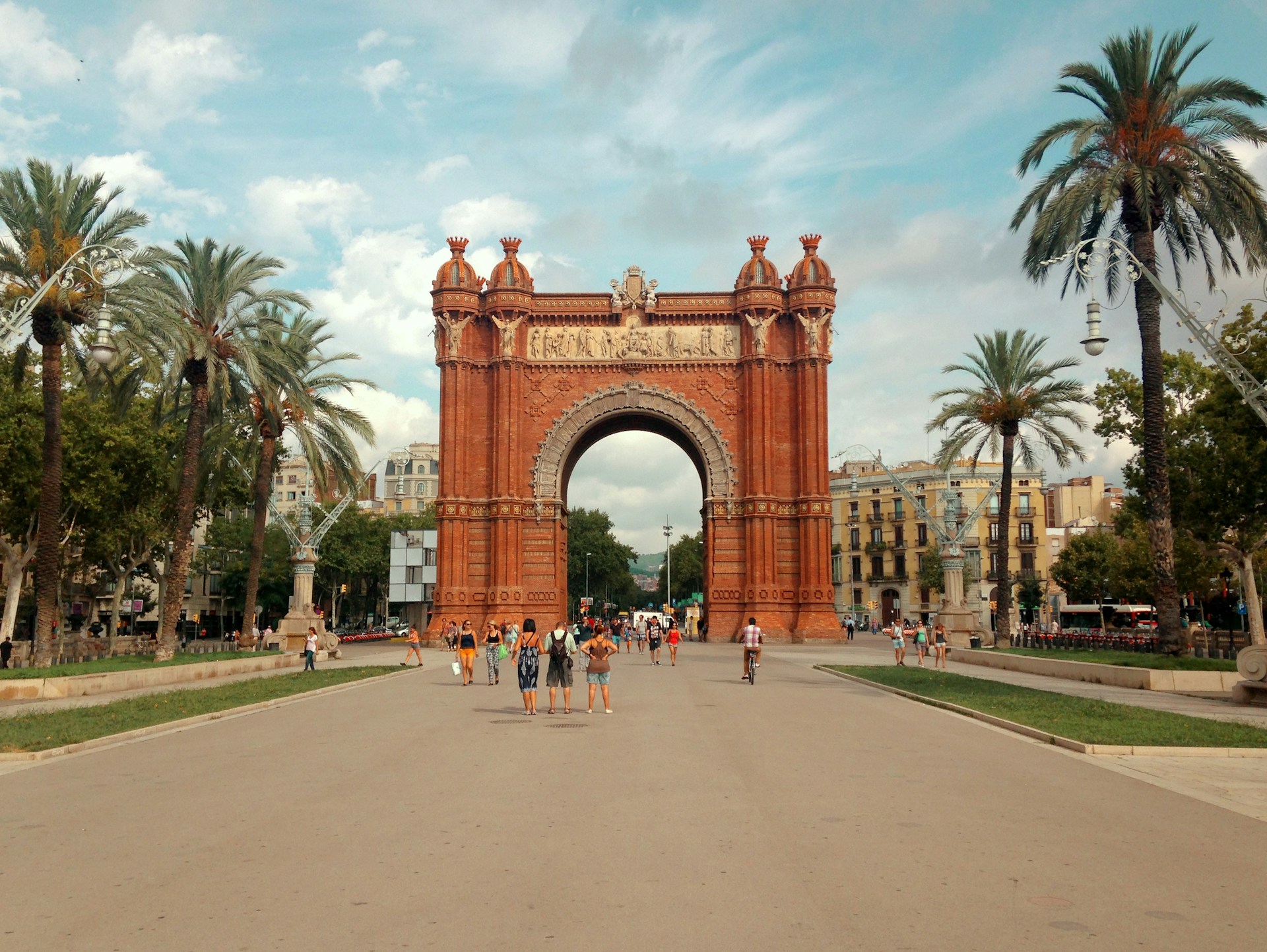
Catalonia
Barcelona, Spain
Where Gaudí's imagination meets Mediterranean beaches and one of Europe's best food scenes.
Top Highlights
La Sagrada Família
Gaudí's unfinished masterpiece has been under construction since 1882 and remains the most visited monument in Spain. Book tickets weeks in advance — morning light through the stained glass is worth the early alarm.
Gothic Quarter (Barri Gòtic)
A maze of medieval streets hiding Roman ruins, independent shops, and some of the city's best tapas bars. Get lost on purpose — that's how you find the good stuff.
Park Güell
Gaudí's mosaic-covered park overlooking the city. The free zone offers views nearly as good as the ticketed monumental area. Go at opening time or sunset.
La Boqueria Market
One of Europe's oldest food markets, right off La Rambla. Skip the overpriced tourist smoothies at the entrance and head to the stalls deeper inside for real Catalan ingredients.
Barceloneta Beach
The city's most accessible beach, a short walk from the Gothic Quarter. Not the prettiest in Spain, but the combination of swimming and then tapas in the same afternoon is hard to beat.
Why Barcelona
Barcelona is the city most visitors think of first when planning a trip to Spain — and for good reason. It’s a place where medieval alleyways open onto futuristic architecture, where you can spend the morning in a world-class art museum and the afternoon swimming in the Mediterranean. The creative energy here is impossible to ignore. Gaudí’s buildings alone would justify the trip, but Barcelona goes much deeper than that.
What makes Barcelona genuinely special is how it layers its identities. This is the capital of Catalonia, with its own language, traditions, and cultural pride. It’s a Mediterranean port city with a food scene that spans Michelin-starred restaurants and €3 vermouth bars. It’s a football city, a nightlife city, a design city. The risk with Barcelona is actually trying to do too much — the best visits are the ones where you slow down, pick a neighbourhood, and let the city come to you.
When to Visit
May, June, September, and October offer the best balance of good weather, manageable crowds, and reasonable prices. July and August are hot and packed with tourists — every major attraction has long queues. If you’re coming in winter, Barcelona is still pleasant (10–15°C most days) and you’ll have major sites nearly to yourself. Avoid the week of Mobile World Congress (late February) when hotel prices spike.
Getting There
Barcelona–El Prat airport (BCN) is a major European hub with direct flights from most capitals. The Aerobus runs to Plaça Catalunya in 35 minutes for about €7. If you’re arriving from elsewhere in Spain, the AVE high-speed train connects to Madrid in 2.5 hours and to Seville in 5.5 hours. Sants station is the main rail hub.
Where to Base Yourself
El Born / La Ribera is the sweet spot — walkable to the Gothic Quarter, the beach, and Ciutadella Park, but less hectic than La Rambla. For a quieter experience with better-value accommodation, look at Gràcia, a village-like neighbourhood with its own plaças and excellent local restaurants. Avoid staying directly on La Rambla — it’s noisy, touristy, and overpriced.
Best Places to Visit in Barcelona
Beyond the headline attractions, these are the places that reward a deeper visit.
La Sagrada Família
Gaudí’s masterwork deserves more than a quick look. The interior — completed long after his death — is genuinely transcendent. Columns branch like trees, and the stained glass shifts from cool blues on the north side to warm golds on the south. Book a ticket that includes tower access for views over the city. Arrive first thing in the morning for the best light and smallest crowds.
Practical info: Book online at least 2 weeks ahead. Tickets sell out daily. Budget 1.5–2 hours. The Nativity Facade tower is the better of the two tower options.
The Gothic Quarter & El Born
The Gothic Quarter (Barri Gòtic) is where Barcelona’s Roman and medieval layers collide. The cathedral, the old Jewish quarter (El Call), and the Plaça Reial are the obvious stops — but the best moments come from wandering without a plan. Duck into the courtyards, find the Temple of Augustus columns hidden behind an apartment building, and stop at a bar when you get tired.
El Born, just east of the Gothic Quarter, has become the more interesting neighbourhood for eating and drinking. The Picasso Museum is here, and the streets around Passeig del Born are lined with cocktail bars, independent boutiques, and some of the city’s best restaurants.
Montjuïc
The hill overlooking the port is undervisited by tourists. The Fundació Joan Miró is one of Barcelona’s best museums — small, focused, and beautifully set. The Jardí Botànic offers quiet walks with views. The Montjuïc Castle at the top gives panoramic views over the city and harbour. You can take the cable car up from Barceloneta beach, which is an experience in itself.
Camp Nou & FC Barcelona
If football means anything to you, the Camp Nou experience is worth a visit — even if you can’t get match tickets. The museum traces the history of one of the world’s most iconic clubs. Note: the stadium has been undergoing major renovation — check current access before visiting.
Gràcia Neighbourhood
Most visitors stick to the waterfront and old town, but Gràcia — a former independent village absorbed into the city — has more character per block than anywhere else. The Festa Major de Gràcia in August transforms the streets into a decorated competition between neighbours. Year-round, the plaças (small squares) are perfect for afternoon coffee or evening vermouth.
Day Trips from Barcelona
Barcelona is an excellent base for exploring beyond the city:
- Montserrat — the jagged mountain monastery, about 1 hour by train. Go early, hike above the crowds, take the funicular to the upper hermitage for spectacular views.
- Girona — 38 minutes by AVE. A beautiful medieval city with a superb food scene and far fewer tourists than Barcelona.
- Costa Brava — the rocky coastline north of Barcelona. Tossa de Mar and Cadaqués (where Dalí lived) are the highlights. Best by car.
- Sitges — 35 minutes by train. A charming beach town with a lively atmosphere, excellent for a half-day escape.
How Many Days in Barcelona
Three full days is the minimum to see the main sights without rushing. Five days lets you explore neighbourhoods at a relaxed pace and take a day trip. If you’re combining with Madrid, plan 3 days here and 3 there, with the AVE train between them.
Sample 3-day plan:
- Day 1: Gothic Quarter, El Born, Picasso Museum, evening tapas in El Born
- Day 2: Sagrada Família (morning), Park Güell (afternoon), dinner in Gràcia
- Day 3: Barceloneta beach (morning), Montjuïc + Miró Foundation (afternoon), sunset from Bunkers del Carmel
Barcelona Budget Tips
Barcelona can be expensive, but it doesn’t have to be. Many of the city’s best experiences are free or cheap: walking the Gothic Quarter, swimming at the beach, watching the sunset from the Bunkers del Carmel, browsing the Boqueria market, and drinking vermouth at a neighbourhood bar.
Museum tip: many museums offer free entry on the first Sunday of the month or on Thursday evenings. The Picasso Museum, MACBA, and MNAC all have free windows — check their websites for current schedules.
Eating tip: skip the restaurants on La Rambla (tourist prices, average food). Walk two streets in any direction and the same quality meal costs half as much. Lunch menus (menú del día) at local restaurants run €10–14 for a three-course meal with wine.
Looking for more? See how Barcelona compares in our guide to the best cities in Spain to visit.
What to Do in Barcelona
Explore More Cities
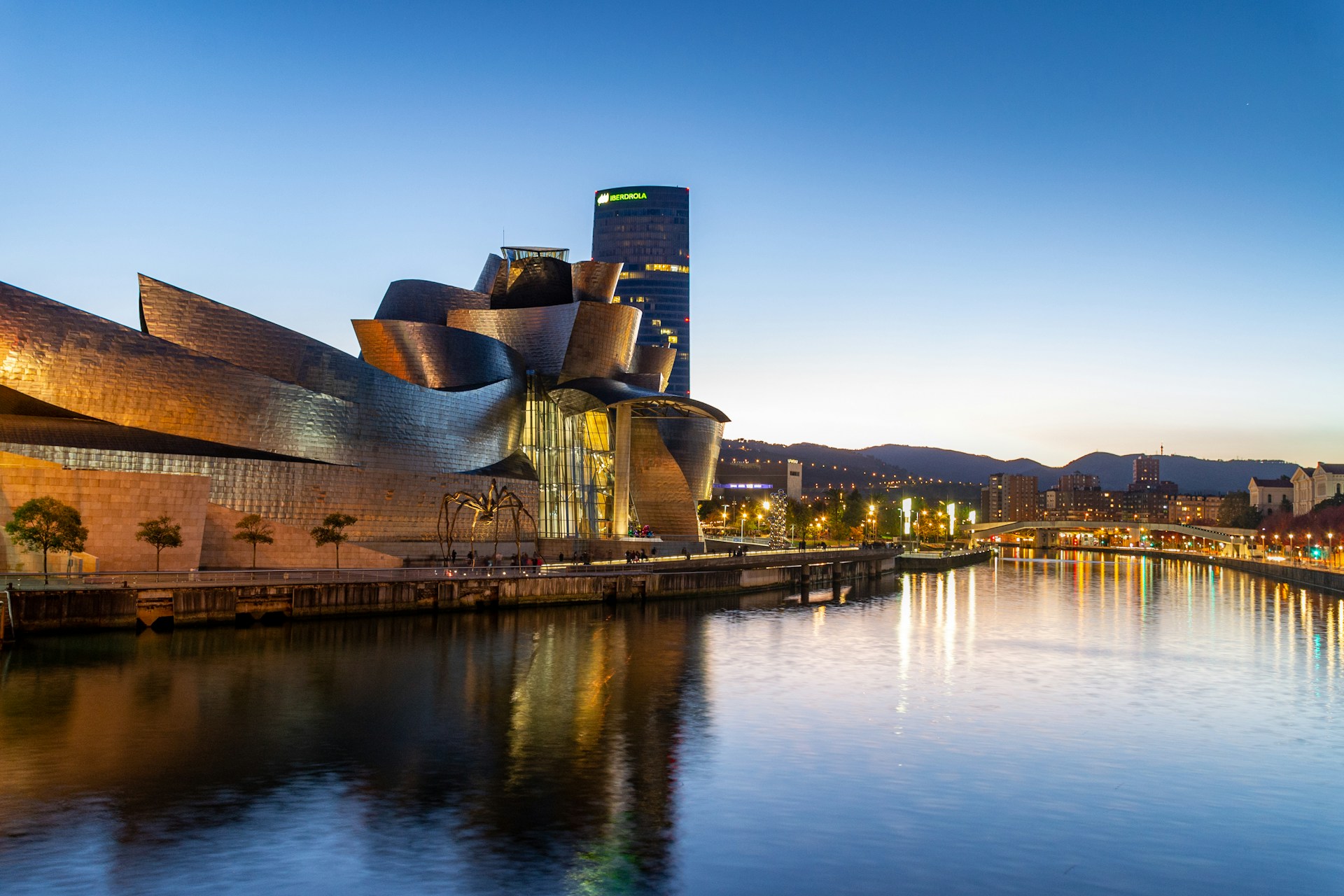
Bilbao
Basque Country
The Guggenheim transformed this industrial city into a cultural powerhouse — and the food scene might be even better.
Explore →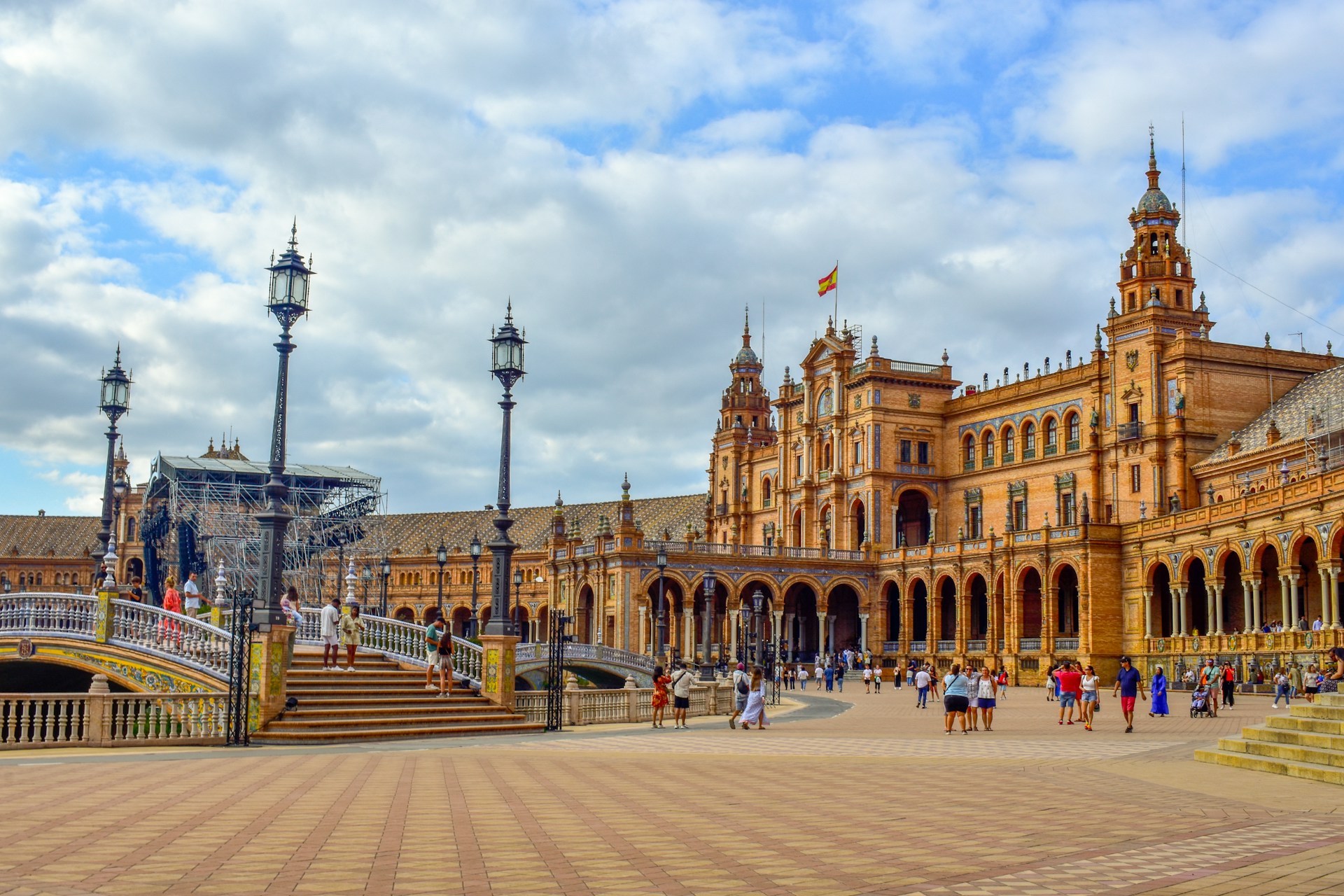
Seville
Andalusia
The soul of Andalusia — flamenco, orange trees, Moorish palaces, and the best tapas culture in Spain.
Explore →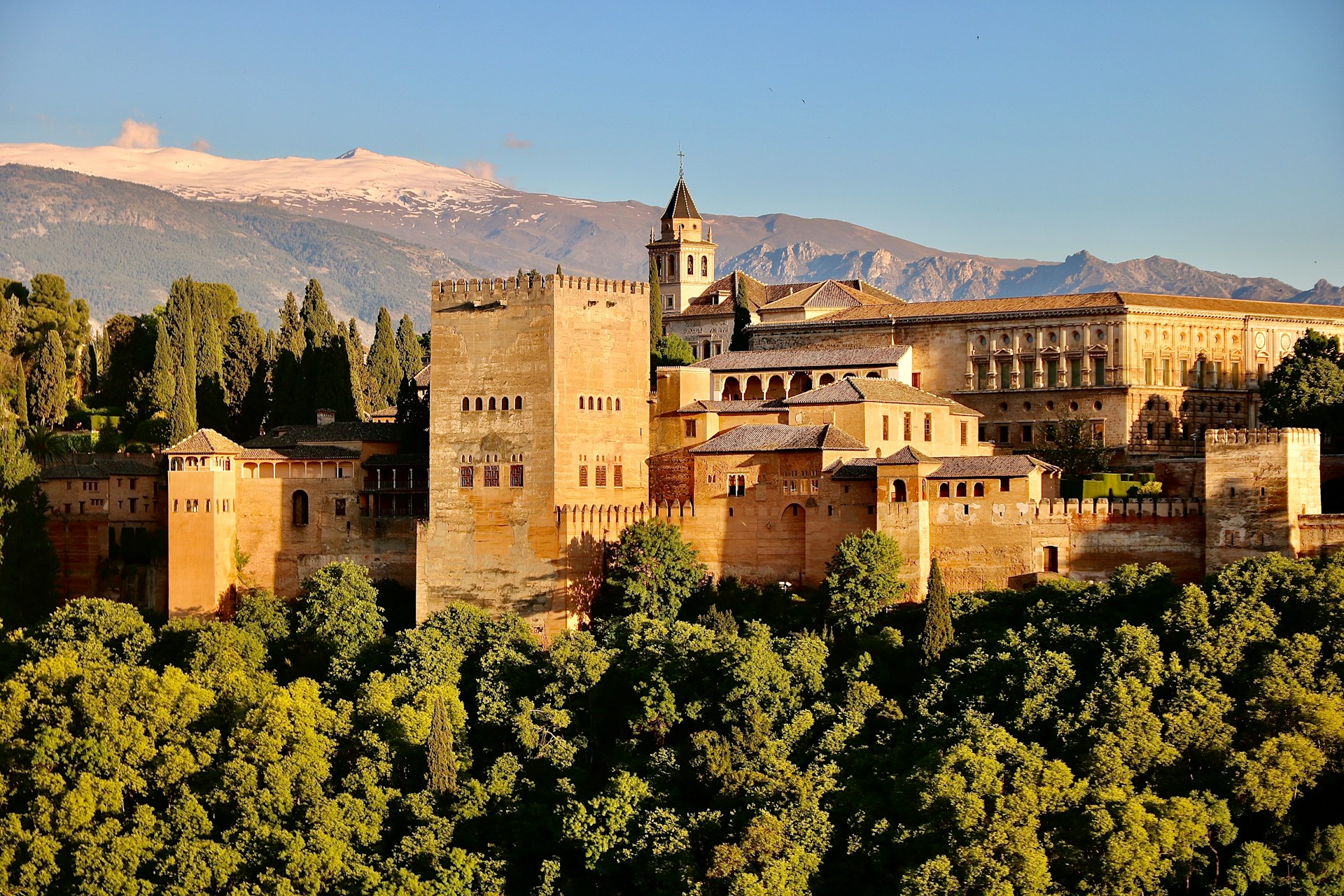
Granada
Andalusia
The Alhambra alone justifies the trip — but Granada's free tapas, Moorish quarter, and Sierra Nevada views seal the deal.
Explore →